North Carolina Estate: Guide to the Probate Process
April 26, 2026 · Ryan P. Duffy


North Carolina Estate: Guide to the Probate Process
Navigating the probate process after losing a loved one can feel overwhelming, especially when you need to administer the estate. In North Carolina, the probate process is a legal procedure designed to ensure that a deceased person’s debts are settled and their assets are distributed according to their will or, if there is no will, according to North Carolina law. This guide will provide a step-by-step overview of the North Carolina probate process, clarify key deadlines, explain the role of the personal representative, and discuss how proper estate planning can simplify or even avoid probate altogether.
Understanding Probate in North Carolina

What is Probate?
Probate, in essence, is the legal process of administering an estate, which often involves a personal representative of the estate. When someone passes away, their assets must be collected, debts and taxes paid, and the remaining assets distributed to the rightful heirs or beneficiaries. The North Carolina probate process ensures this is done in an orderly and lawful manner under the supervision of the clerk of superior court. The estate administration process can vary depending on the size and complexity of the estate, but generally involves several key steps. Many people choose to work with a probate attorney.
When is Probate Required in North Carolina?
Probate is typically required in North Carolina when a deceased person owned assets in their name alone, without a beneficiary designation or other mechanism for automatic transfer. The value of the estate is a factor. If the assets of the estate are minimal, a simpler process called a small estate administration may be available. Understanding when probate is necessary is crucial for determining the next steps in estate settlement. North Carolina probate law provides guidance on these requirements.
Overview of North Carolina Probate Laws
North Carolina probate laws are governed by the North Carolina General Statutes, specifically Chapter 28A. These laws outline the procedures for opening an estate, appointing a personal representative (executor if there’s a will, administrator if there isn’t), notifying creditors, paying debts and taxes, and distributing the remaining assets to the beneficiaries. The clerk of the superior court in the county where the deceased resided has jurisdiction over the probate proceedings. Familiarity with these North Carolina probate laws is essential for navigating the legal process.
The North Carolina Probate Process
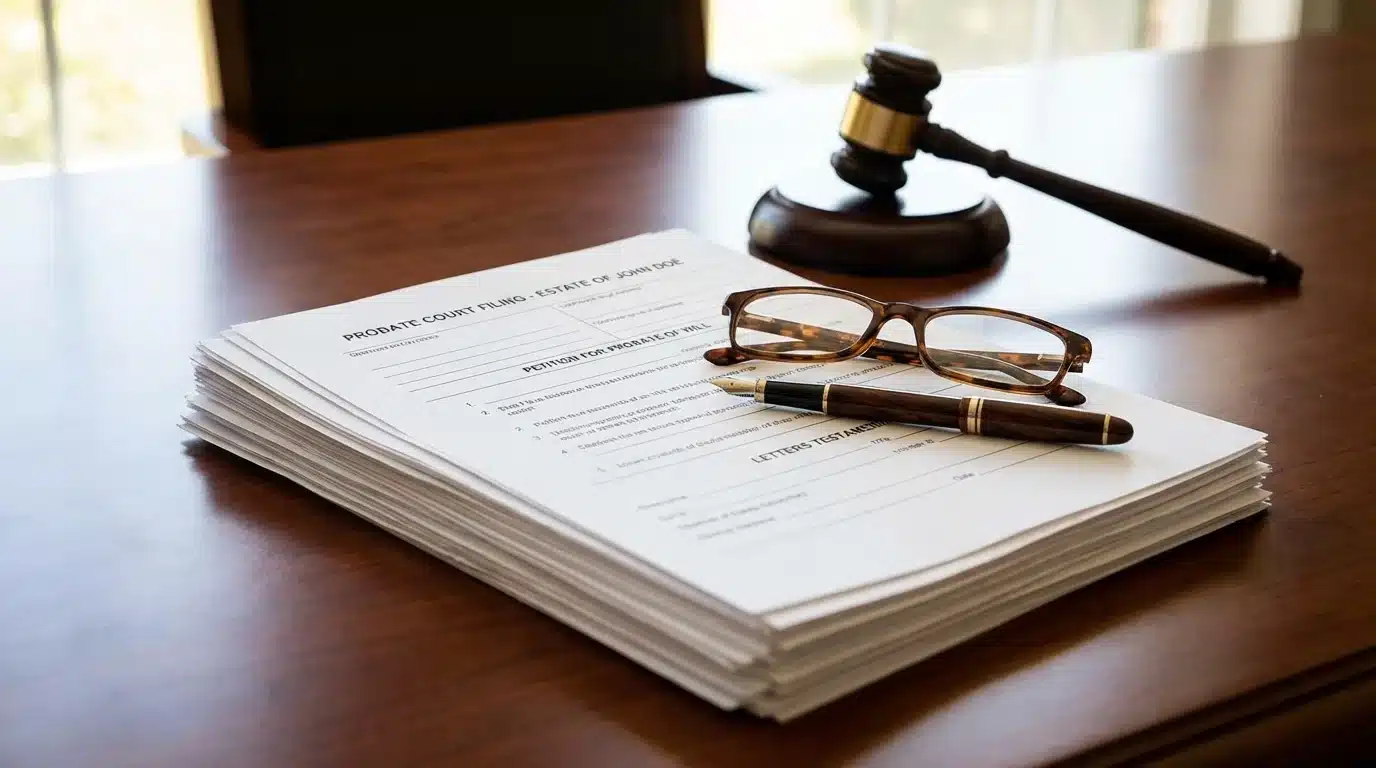

Step-by-Step Overview of the Probate Process
The probate process in North Carolina involves several key steps, including the potential for summary administration in certain cases. Estate Planning of the Carolinas offers comprehensive guidance to navigate these processes, but the process generally begins with engaging a law firm.
- Filing the deceased’s will (if one exists) and a petition with the clerk of the superior court in the county where the deceased resided, along with a death certificate.
- The court’s appointment of a personal representative of the estate, who could be the executor named in the will or an administrator if no will exists.
Following these initial steps, the personal representative gathers assets, pays debts of the estate and taxes, and distributes the remaining assets to beneficiaries.
Key Deadlines in the Probate Process
Navigating probate in North Carolina involves adhering to specific deadlines. After being appointed, the personal representative has a limited time to notify creditors of the estate. Claims against the estate must be filed within a statutory period. Federal estate tax returns, if applicable, must also be filed within a specified timeframe. Missing these deadlines can have legal and financial repercussions for the estate. A probate attorney can help navigate these crucial dates, making the estate administration process smoother.
The Role of the Executor in Estate Administration
The executor, or personal representative, is responsible for managing the estate assets, paying debts and taxes, and distributing the remaining assets to the beneficiaries. Individuals needing probate assistance may be the executor of the estate. The personal representative must also maintain accurate records of all transactions and provide an accounting to the clerk of the court.
Assets and Probate

What Assets Go Through Probate?
Assets that go through probate are those owned solely by the deceased at the time of death, without any beneficiary designation or joint ownership. Common examples include real estate titled in the deceased’s name alone, bank accounts without named beneficiaries, and personal property such as vehicles or furniture. These assets are subject to the probate process to ensure proper distribution. The value of the estate is determined by the assets of the estate that go through probate and other factors.
Assets That Avoid the Probate Process
Certain assets can avoid probate, streamlining the estate settlement process. These typically include assets held in a living trust, property owned jointly with rights of survivorship, life insurance policies with named beneficiaries, and retirement accounts with designated beneficiaries. Proper estate planning can strategically utilize these mechanisms to minimize the assets of the estate that go through probate. This can save time, money, and stress for the heirs involved in the probate case.
Understanding Debts and Their Impact on the Estate
Before assets can be distributed to beneficiaries, the estate must settle outstanding debts, including credit card balances, loans, medical bills, and taxes. Creditors have a specific timeframe to file claims against the estate. The personal representative is responsible for evaluating and paying valid debts from the estate assets. If the debts of the estate exceed its assets, it may be declared insolvent, impacting the distribution to heirs.
Estate Planning to Simplify Probate


The Importance of Wills in Estate Planning
A well-drafted will is the cornerstone of estate planning. Estate Planning of the Carolinas focuses on wills to help parents and families create clear plans for various life stages, such as welcoming a new child or buying a home. Without a will, North Carolina law dictates how your assets will be distributed, which might not align with your desires, and may require a small estate affidavit for simpler cases. A will allows you to name beneficiaries, appoint a personal representative, and provide specific instructions for the management of your estate assets.
How Trusts Can Help Avoid Probate
Assets held in trust do not go through probate, allowing for a more private and efficient transfer to your beneficiaries. Estate Planning of the Carolinas also provides assistance with revocable living trusts, which are a cornerstone of a well-structured estate plan, tailored to unique needs, and can include letters of administration. A revocable living trust allows you to maintain control over your assets during your lifetime while ensuring a seamless transition after your death. By utilizing trusts, you can streamline the estate administration process and minimize potential delays and expenses for your heirs.
Working with an Estate Planning Attorney
Navigating the complexities of estate planning can be challenging, making it beneficial to work with an experienced estate planning attorney. Estate Planning of the Carolinas was founded by Ryan P. Duffy, Esq., and provides tailored legal guidance. A skilled attorney can help you understand the implications of North Carolina law, create customized plans that protect your assets and provide for your loved ones, and ensure your documents are legally sound. Estate Planning of the Carolinas offers friendly and approachable counsel to guide you through the estate planning process with confidence, serving residents of North Carolina.
How an Attorney Can Help with Probate Matters


Benefits of Hiring a Probate Attorney
Hiring a probate attorney offers numerous benefits when navigating the often-complex probate process in North Carolina. Estate Planning of the Carolinas aims to proactively anticipate and prevent potential conflicts, ensuring clients’ wishes are carried out smoothly and efficiently. A probate attorney can provide compassionate, step-by-step guidance through the probate process, assistance with filing the right documents with the clerk of superior court, and assurance that everything is handled properly and efficiently. They can also represent your interests in probate court, handle disputes, and ensure compliance with North Carolina probate laws. Seeking legal assistance from a probate lawyer can save time, reduce stress, and protect your rights.
Guidance Through the North Carolina Judicial Process
Navigating the North Carolina judicial branch during probate requires familiarity with specific procedures and requirements. Estate Planning of the Carolinas provides document filing assistance, ensuring all necessary paperwork is accurately completed and submitted on time. A probate attorney can guide you through each step of the process, from opening the estate to distributing the assets, all while complying with North Carolina law. With virtual services, Estate Planning of the Carolinas makes it easier to manage everything from start to finish with clarity and peace of mind, no matter where you are in North Carolina.
Scheduling Your Free Consultation
If you’re facing the prospect of probate in North Carolina, don’t hesitate to seek professional guidance. Estate Planning of the Carolinas offers a free consultation to discuss your specific needs and explore your options. Whether you’re an executor, administrator, or beneficiary, understanding your rights and responsibilities is crucial. Schedule your free consultation today to gain clarity and confidence in navigating the probate process, ensuring a smooth and efficient resolution for your estate matters. A personal representative can benefit from such a consultation.
Related reading from Carolina Estate Plan: how remote signing works · Durham.


Have questions about your estate plan?
Ryan P. Duffy is a North Carolina and South Carolina licensed estate planning attorney. Schedule a free, no-pressure consultation to discuss your family's specific situation.
Schedule Your Free Consultation